Residential Block Management
Block management is the day-to-day running of a residential building on behalf of whoever holds the management responsibility: collecting and accounting for the service charge, keeping the building compliant and insured, instructing and supervising contractors, and being the point of contact when something goes wrong.
Temphis manages around 1,000 units across 50 buildings, from converted period blocks to new-build schemes, larger estates and mixed-use developments. We take on ten to fifteen new properties a year, which is deliberate: we would rather manage a building properly than add it to a list.
What block management covers
Service charge budgeting and accounting. Annual budgets, demands issued on the lease timetable, year-end accounts, and client money held in ring-fenced accounts
Arrears recovery. A defined escalation path, applied consistently, so the building is not underfunded because collection was left to drift
Compliance. Fire risk assessments, and the duties that fall on the Accountable Person for higher-risk buildings under the Building Safety Act
Planned and reactive maintenance. A maintenance plan for the building rather than a series of emergencies
Contractor management. Procurement, specification and supervision, including section 20 consultation where the thresholds are met
Insurance. Placing and renewing buildings cover, handling claims, and disclosing commission
Company secretarial support for RTM companies and resident management companies
Reporting. Residents see budgets, expenditure and works through the Blockman and MyBlockman portals rather than having to ask
Who we work for
Freeholders and investors who need the asset maintained and the income accounted for. RTM companies and resident management companies, where the directors are volunteers who carry real legal duties and need those duties covered properly. Developers handing over a completed scheme who need management in place from practical completion.
How the money is handled
Service charge funds are held on statutory trust under section 42 of the Landlord and Tenant Act 1987. They belong to the leaseholders, not to us and not to the freeholder. We hold them in ring-fenced client accounts, account for them annually, and publish our fees rather than quoting differently building by building. Our full fee schedule is on the site.
Section 20 and major works
Consultation is required before qualifying works costing any leaseholder more than 250 pounds, or a qualifying long-term agreement costing any leaseholder more than 100 pounds a year. Getting the consultation wrong caps recovery at those figures regardless of what the work cost, which is the single most expensive procedural mistake in this sector. We run the notice stages and observation periods properly and keep the record.
Where we manage
Across Greater London, the South East, the North West and North Wales, from offices in London E18 and Conwy. A sample of the buildings currently under management, shown by area rather than by name:
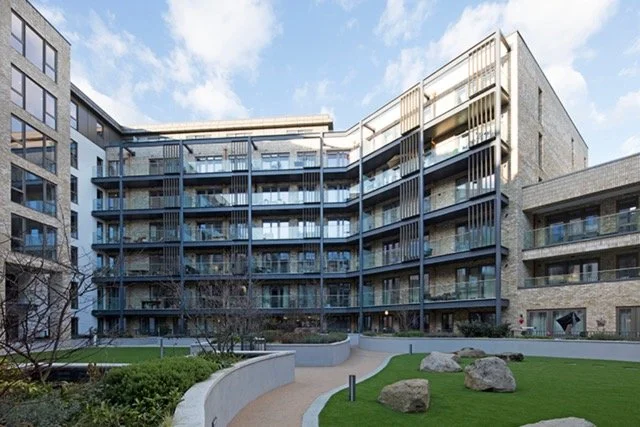
Bermondsey, London SE1

Kentish Town, London NW5

Croydon, London CR0
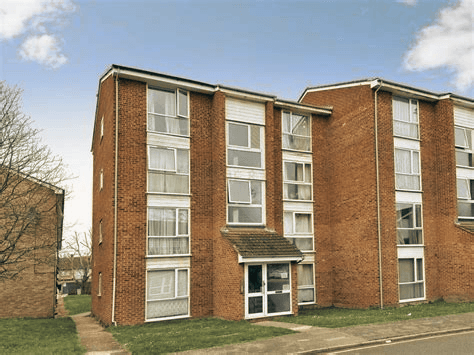
Ilford, Essex IG2

Kentish Town, London NW5
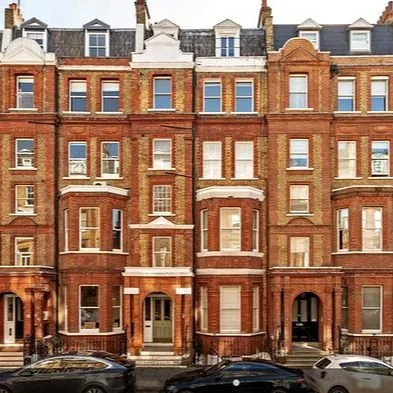
South Kensington, London SW7

Godalming, Surrey GU7

Llandudno, Wales LL30

Anglesey, Wales LL58
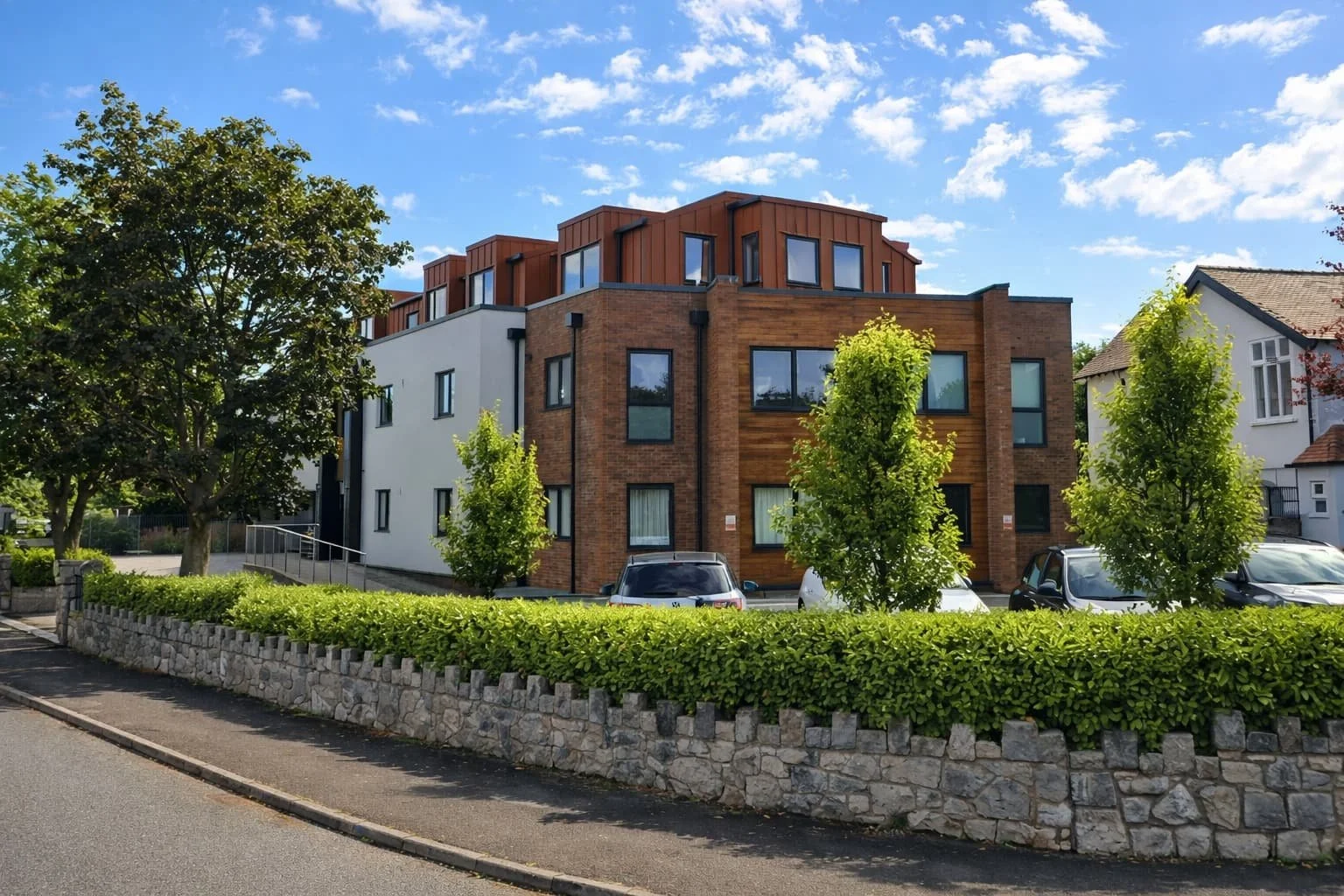
Rhos On Sea, Wales LL28
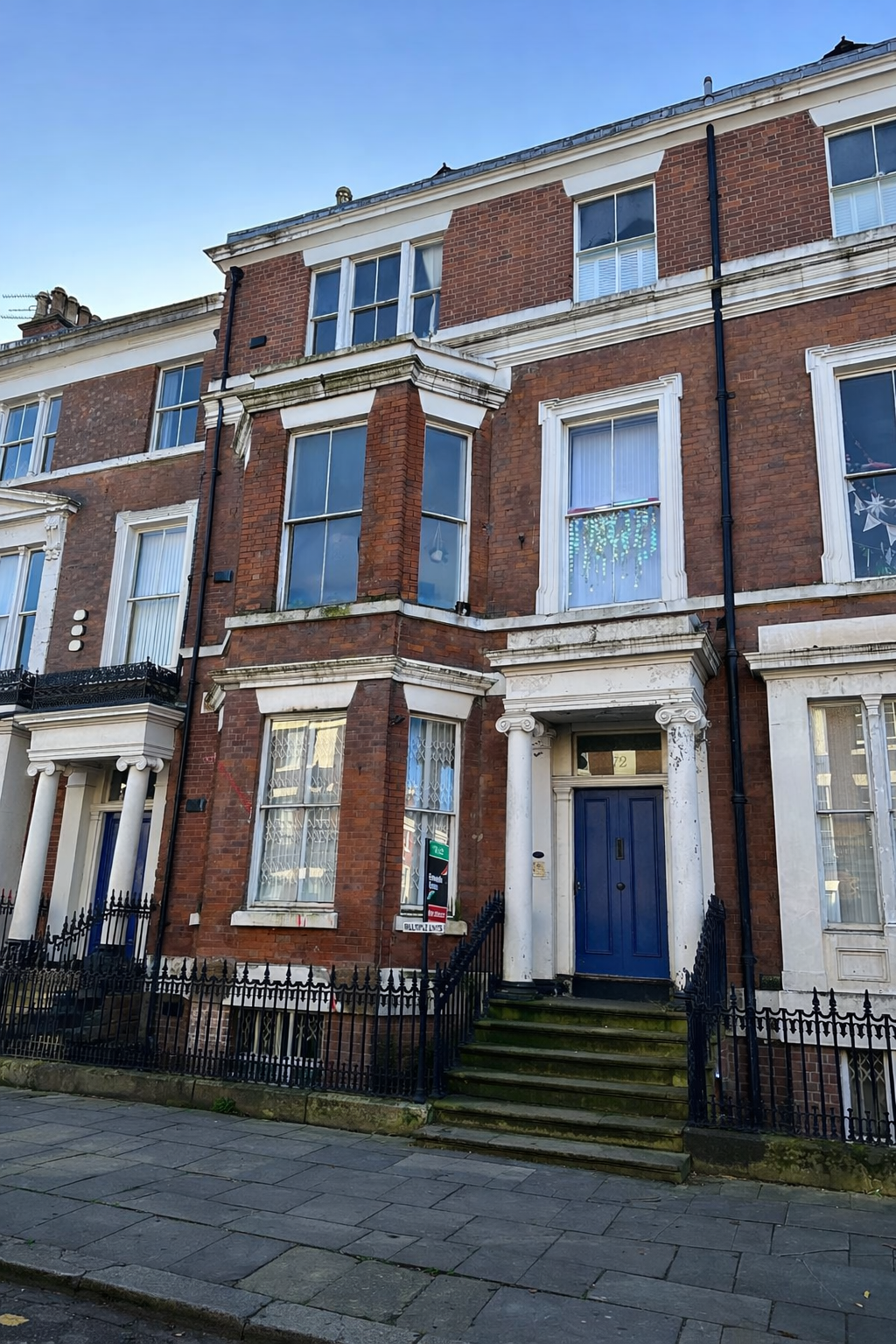
Toxteth, Liverpool L8
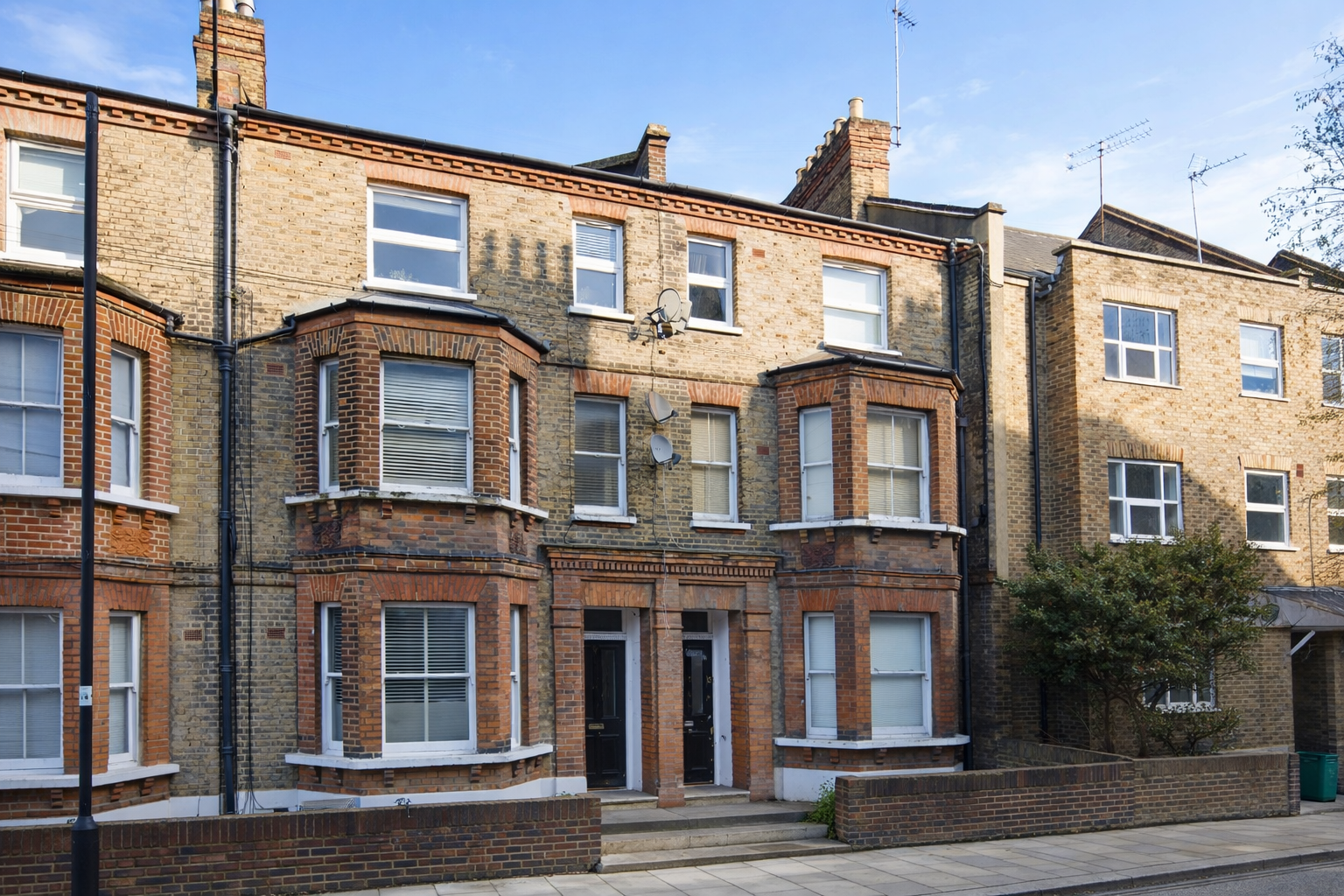
Stockwell, London SW9
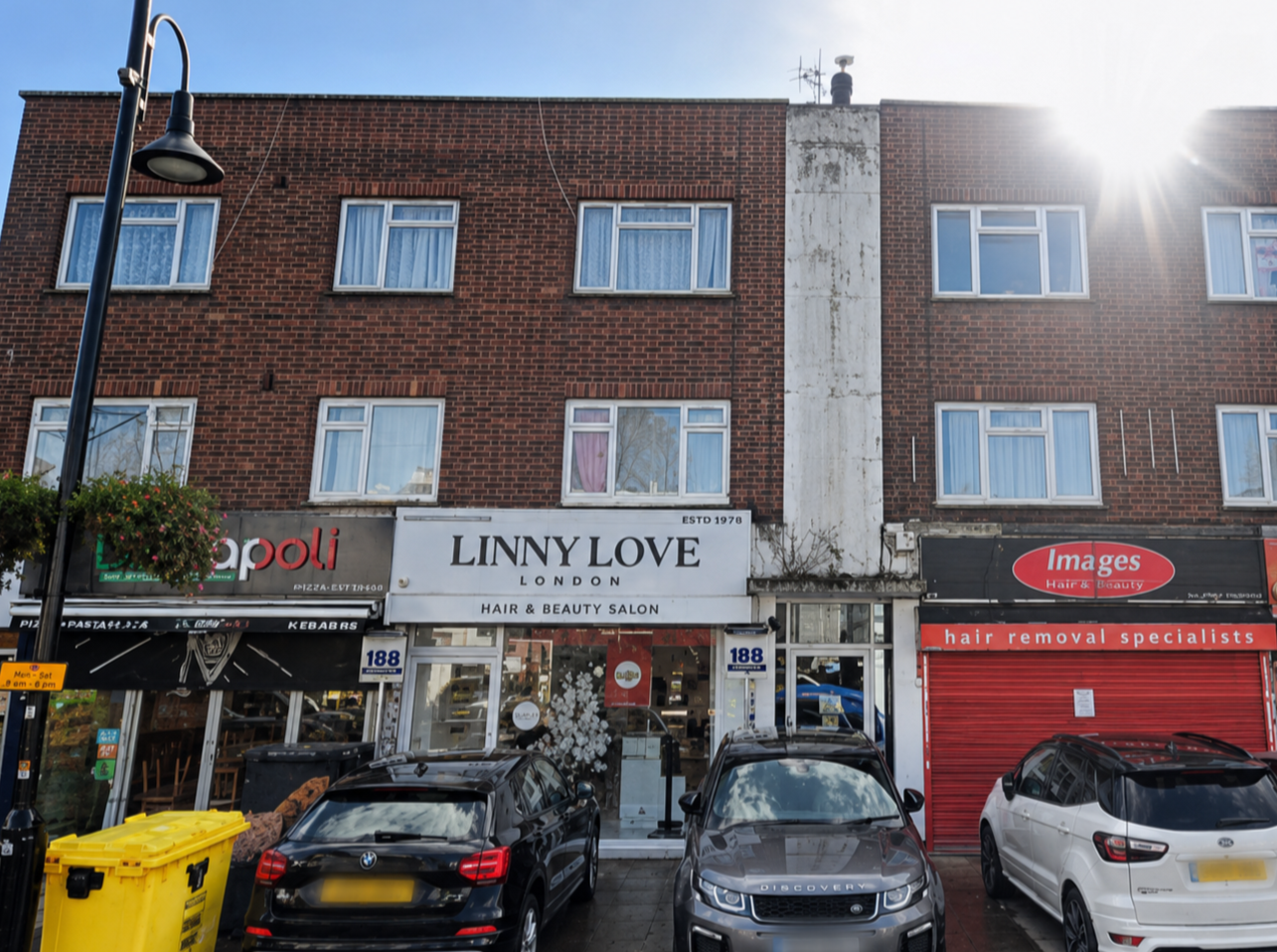
Victoria Road, Romford RM1
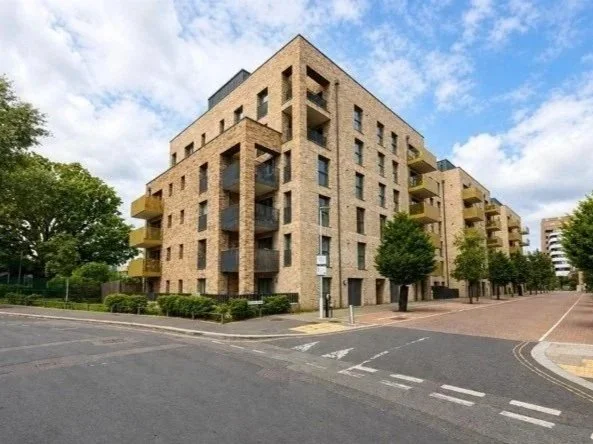
Selbourne Avenue, Hounslow TW3
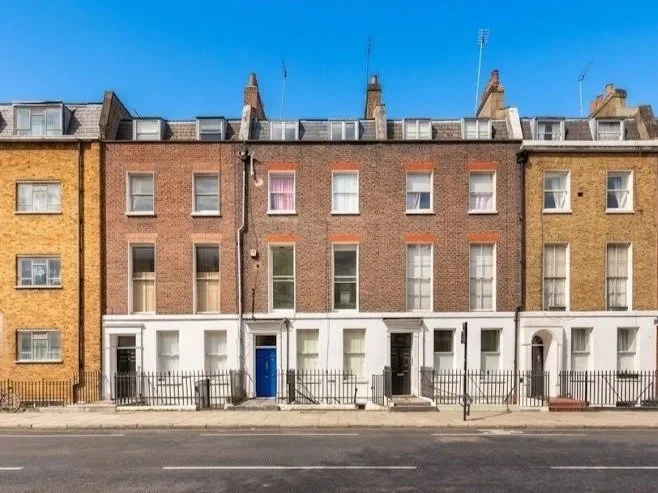
Guilford Street, Camden WC1N
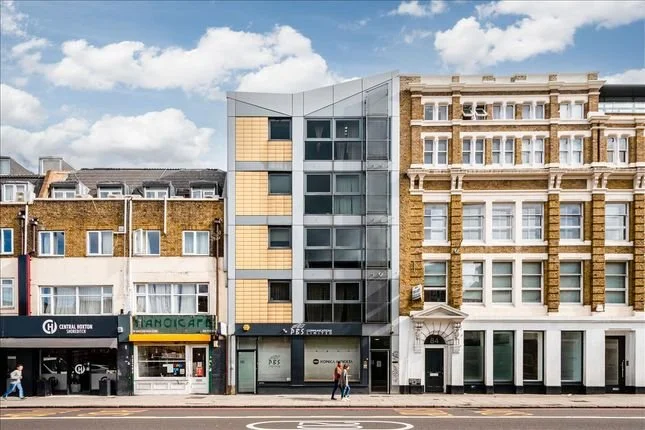
Shoreditch, London E2
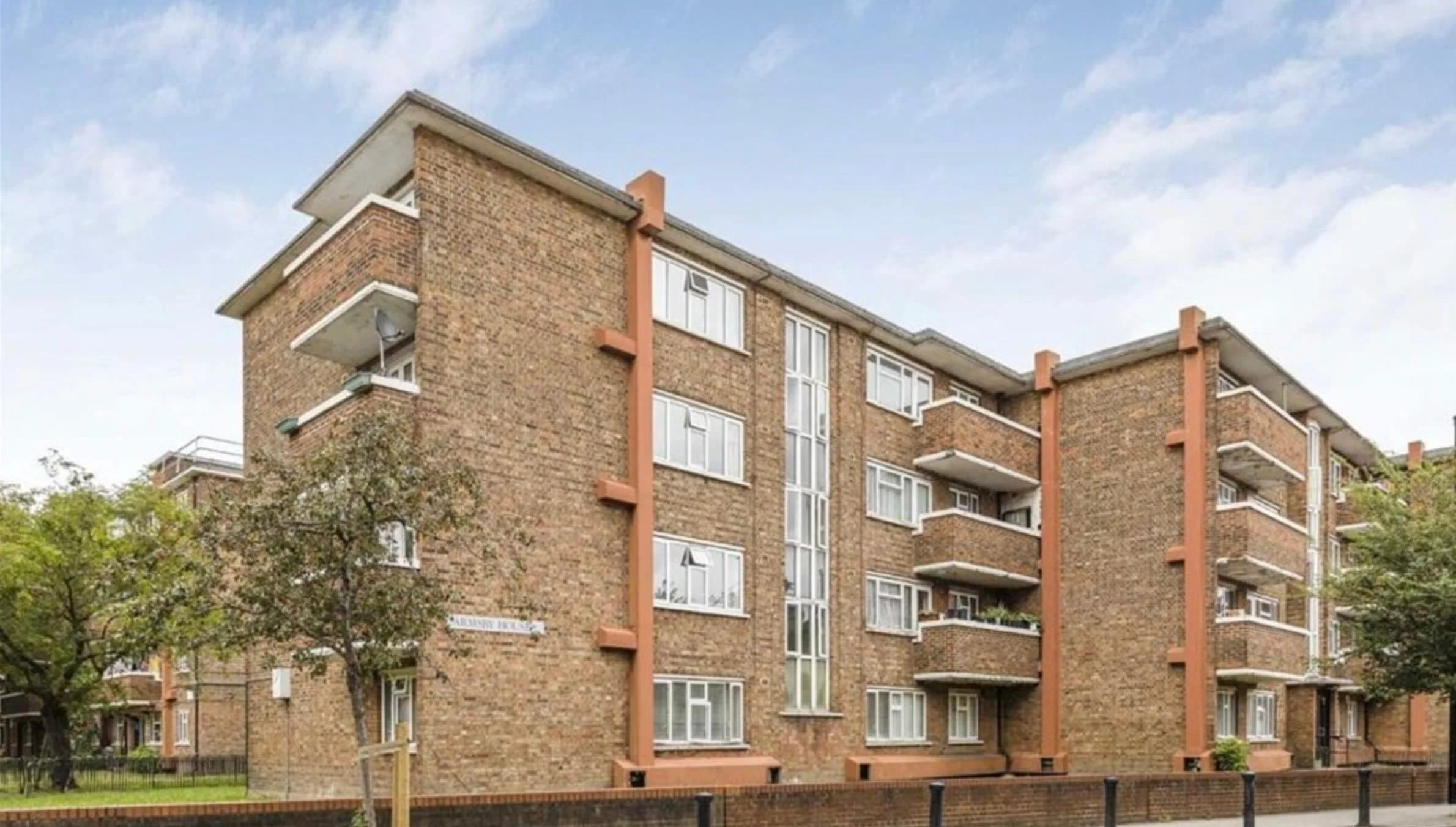
Stepney, London E1

Kentish Town, London NW5
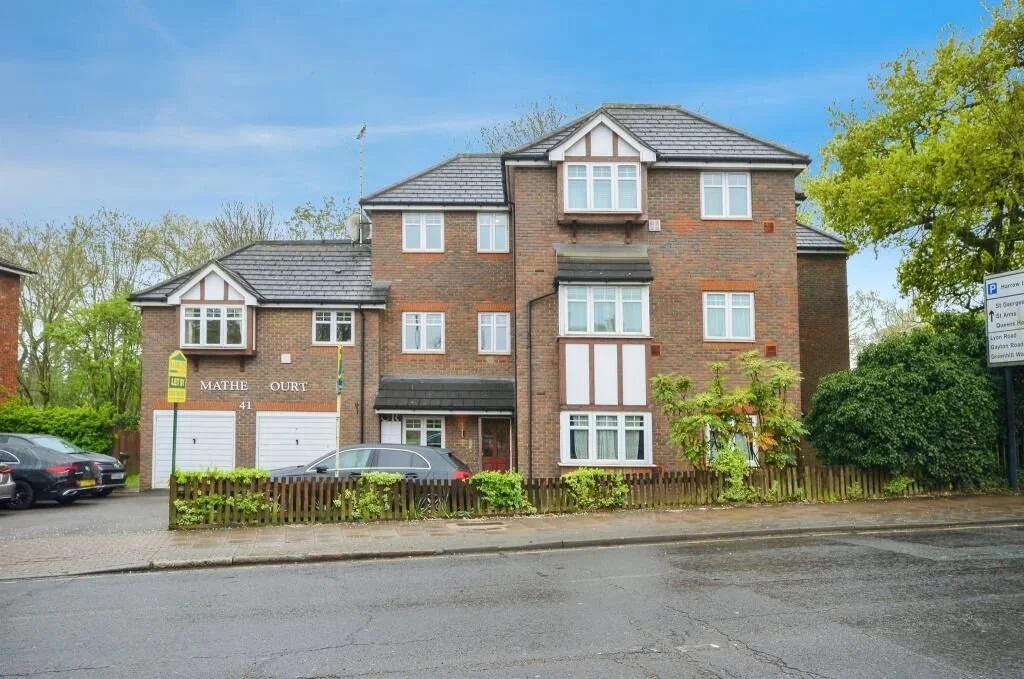
Harrow, Middlesex HA3
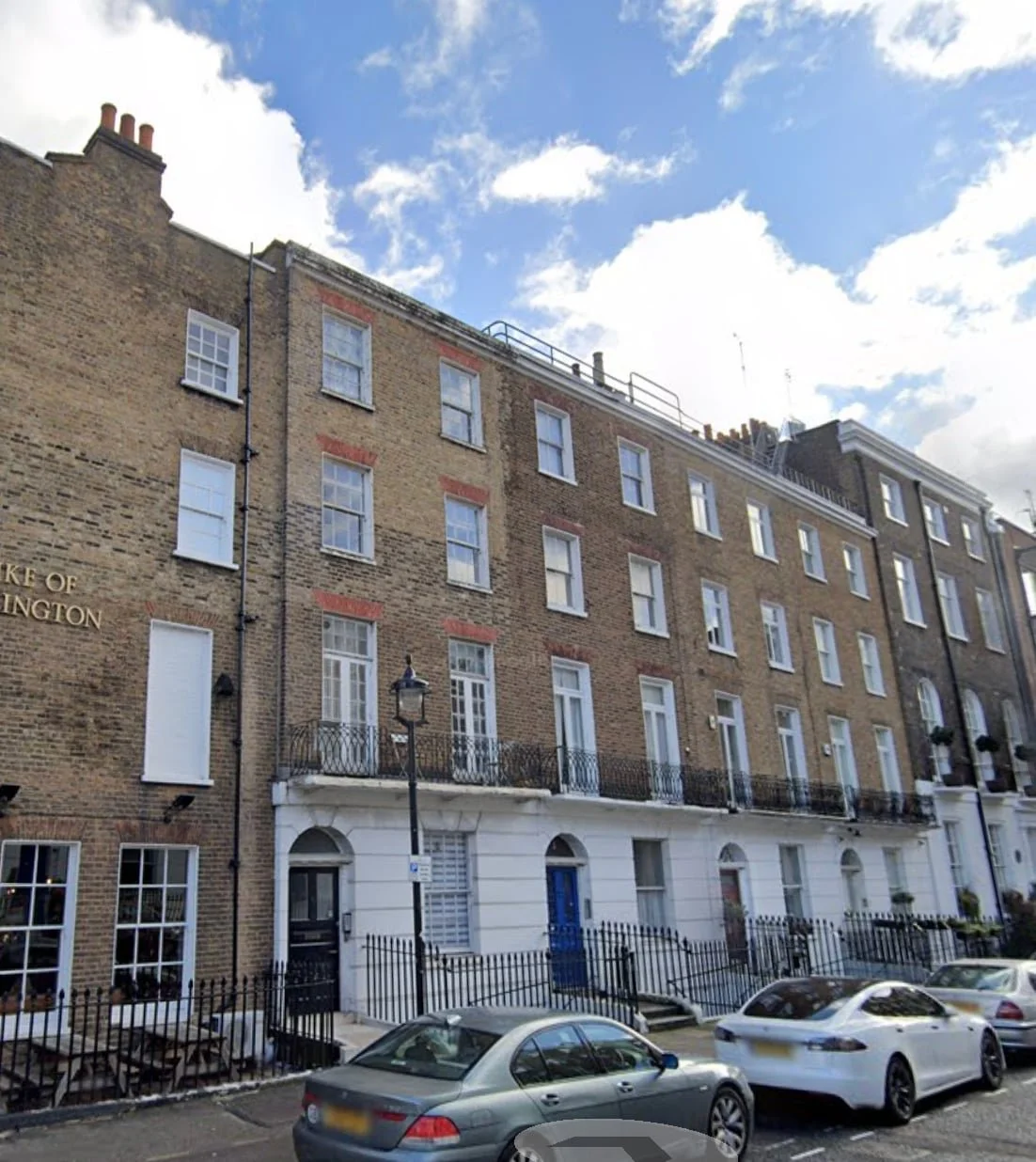
Marylebone, London W1H
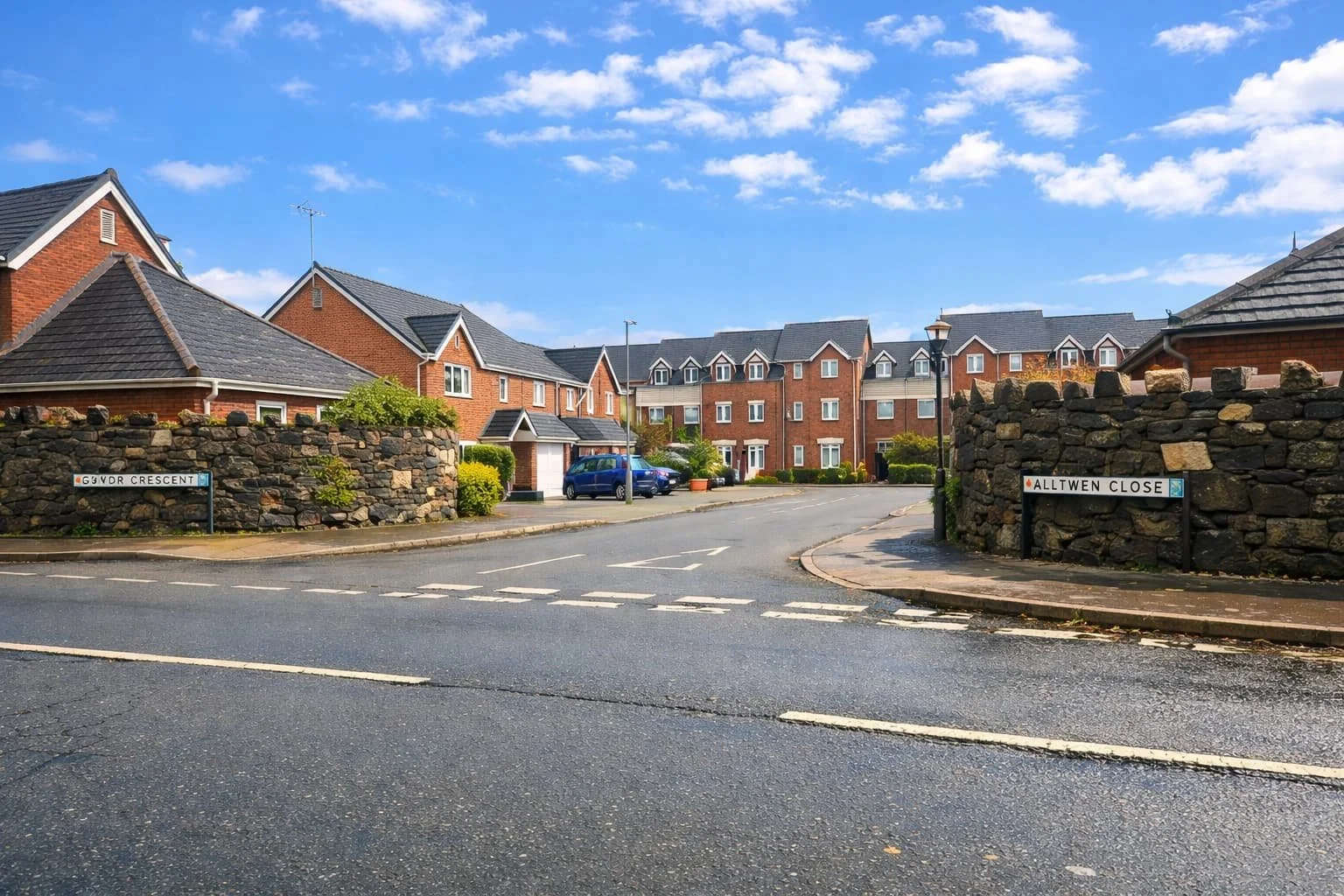
Conwy, Wales LL32
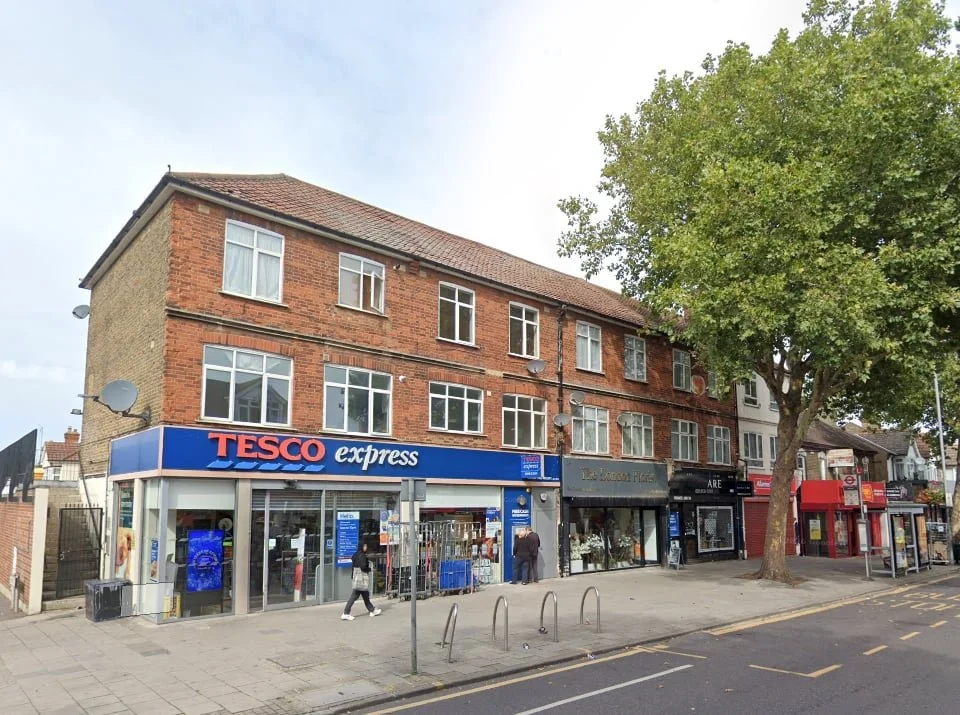
Chingford, London E4
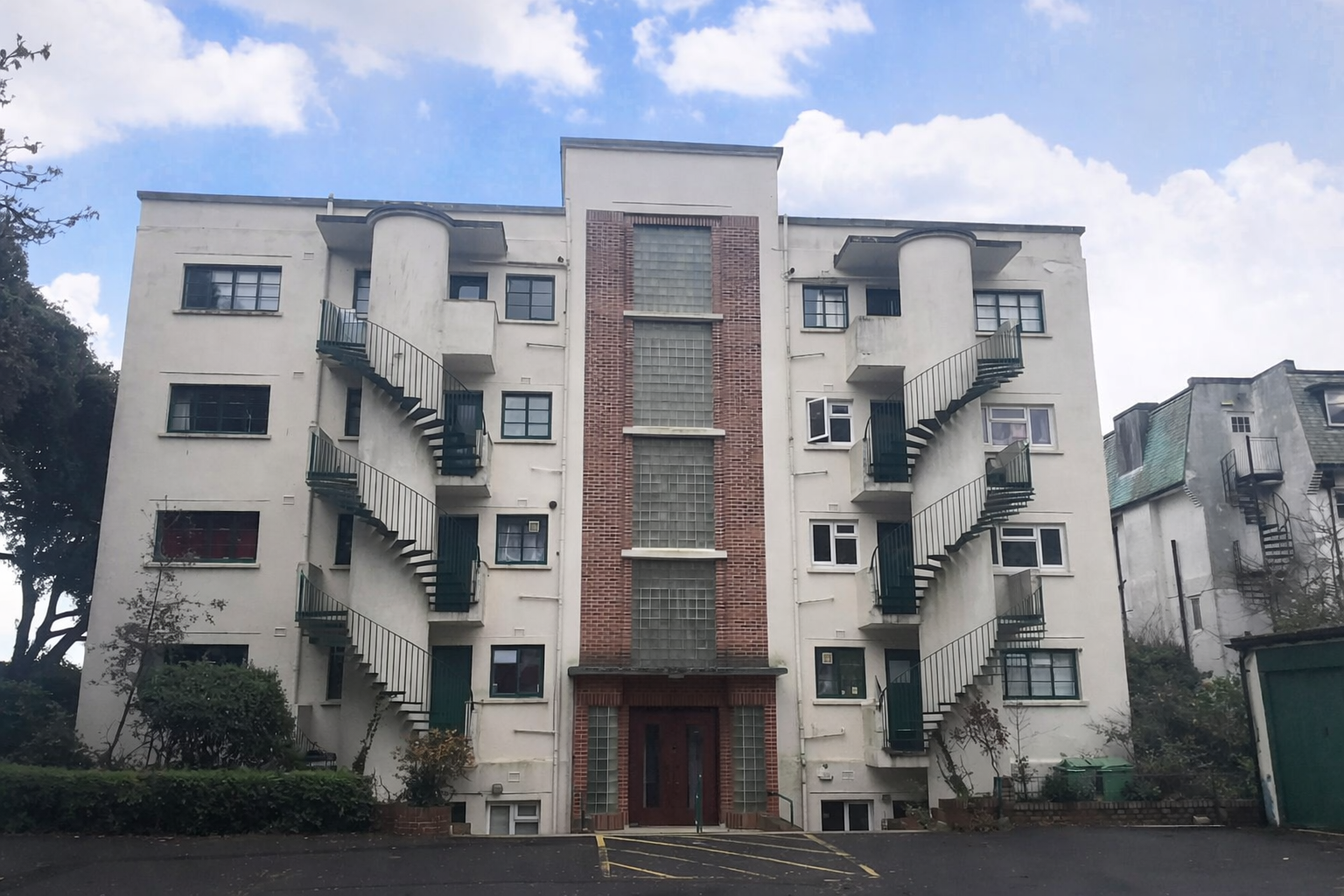
Bournemouth BH1
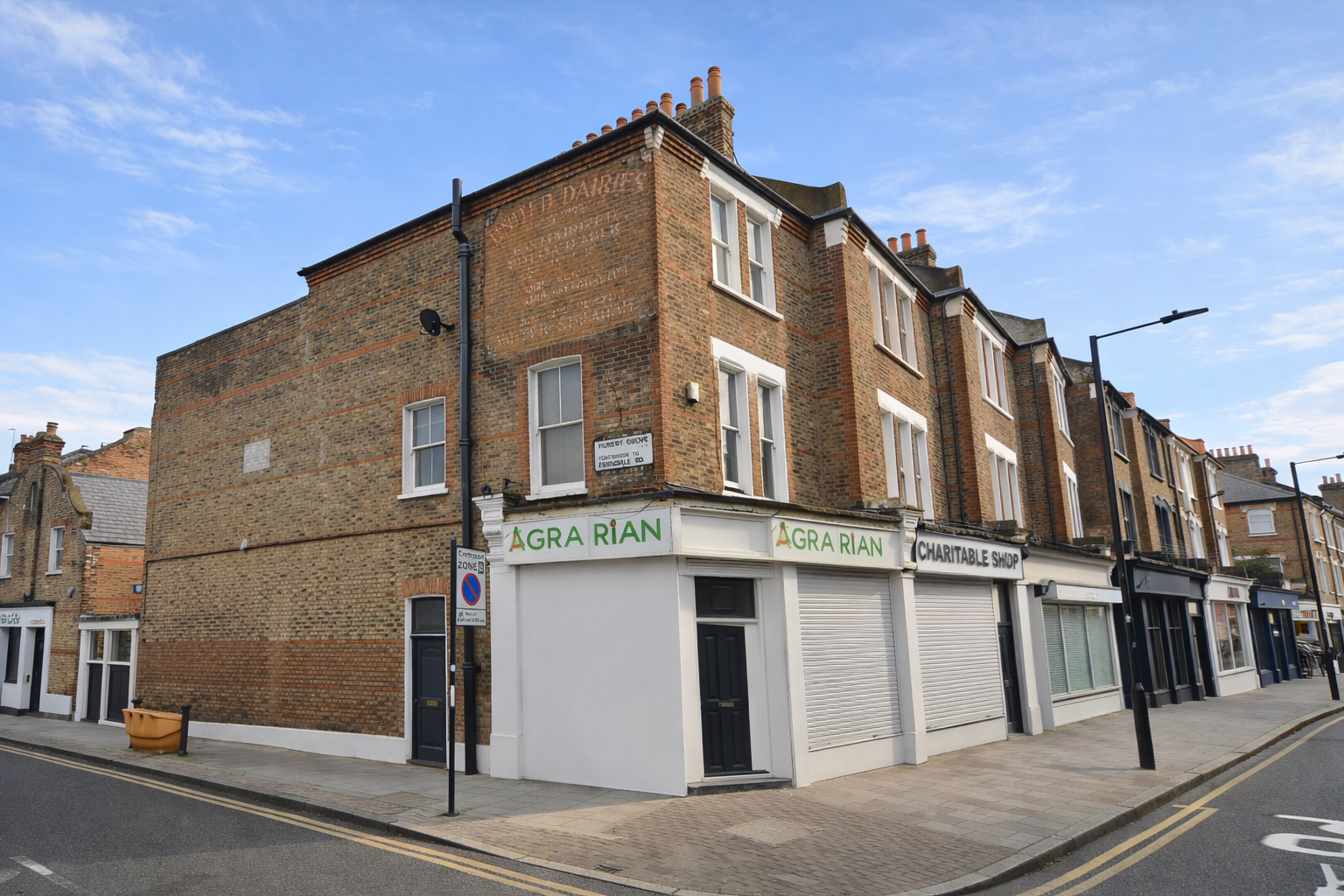
Stockwell, London SW9
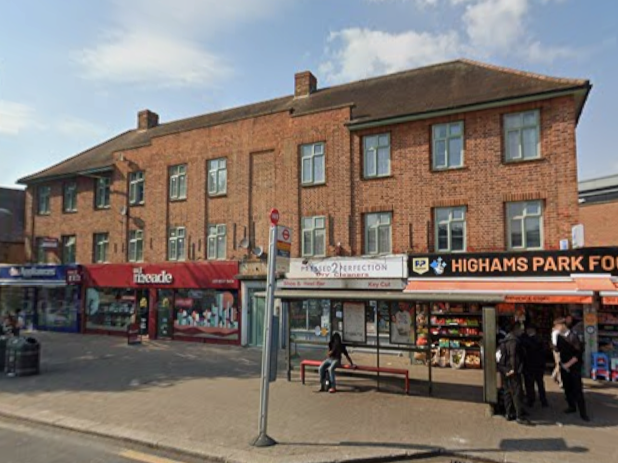
Broadway, London E4
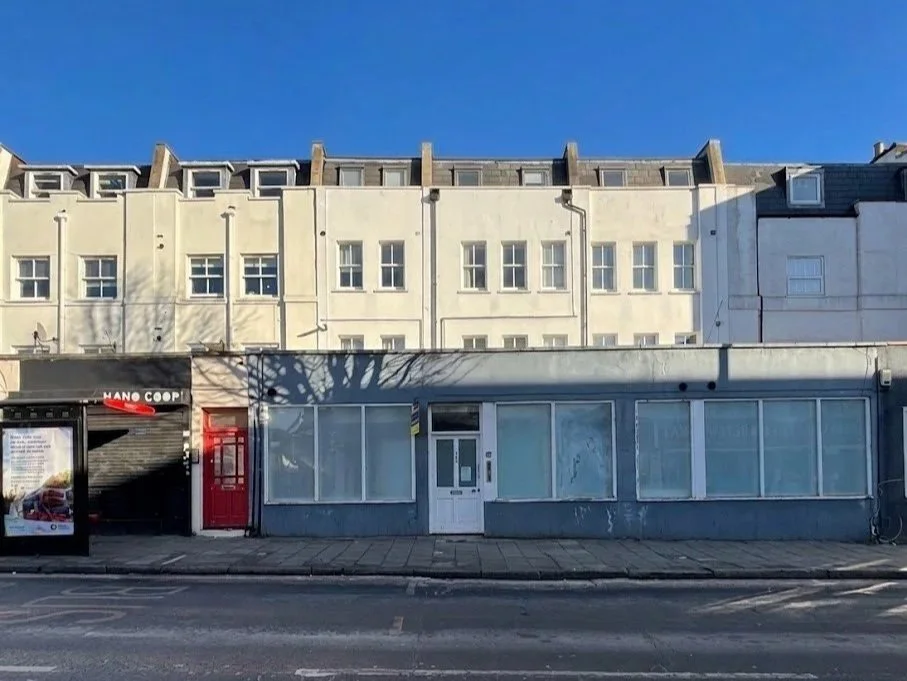
Hornsey Road, Islington N19

Woodland Rd, Colwyn Bay LL29
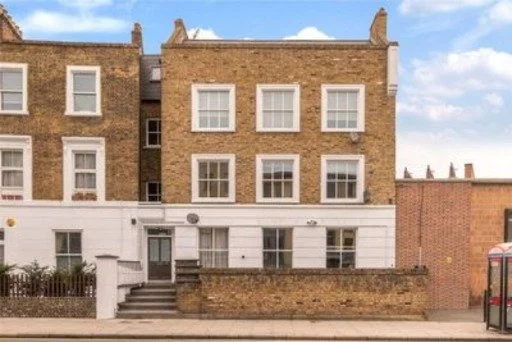
Islington, London N1

Willesden, London NW2

Marylebone, London W1U
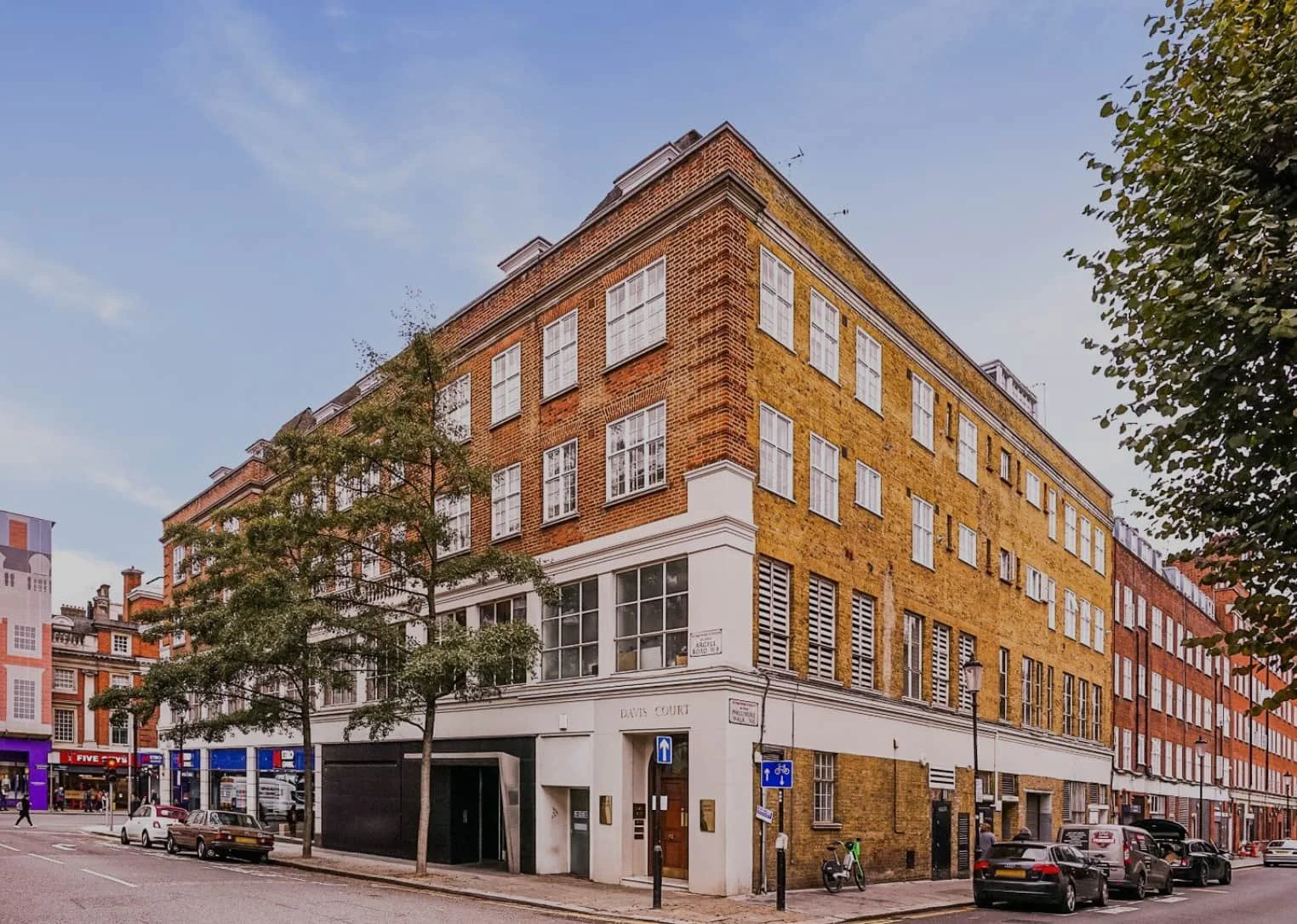
Kensington, London W8
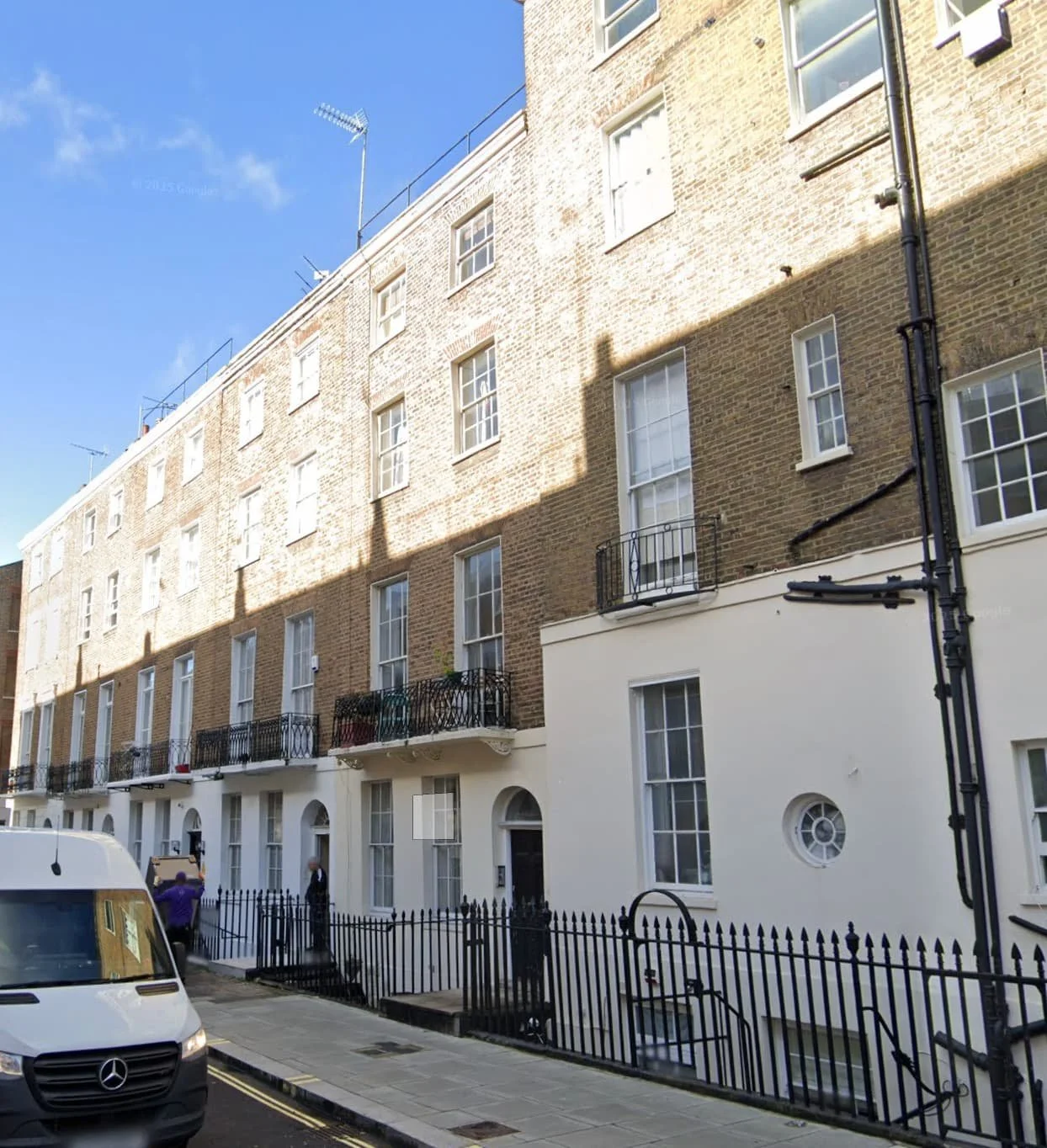
Marylebone, London W1H
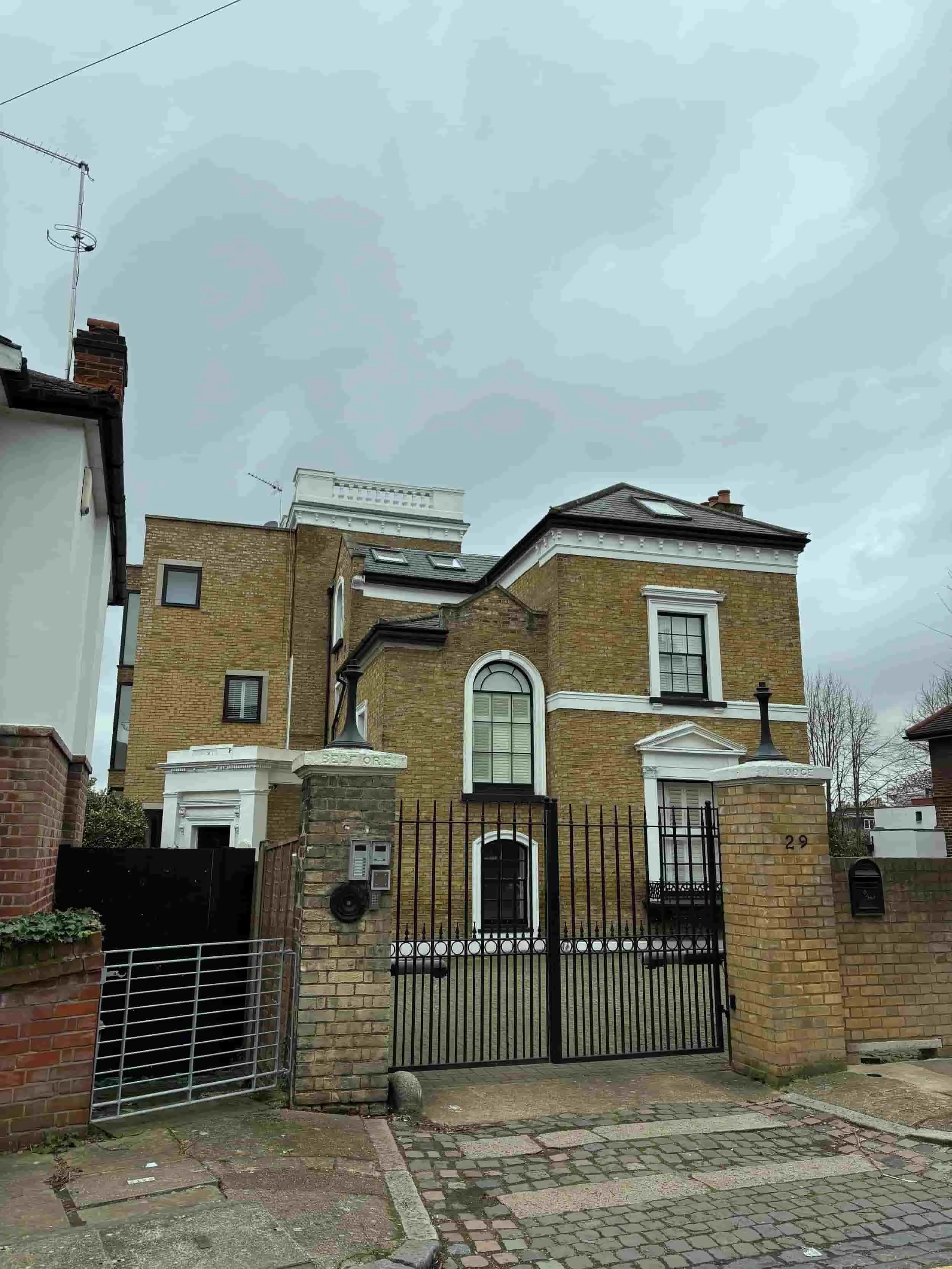
Highbury, London N5
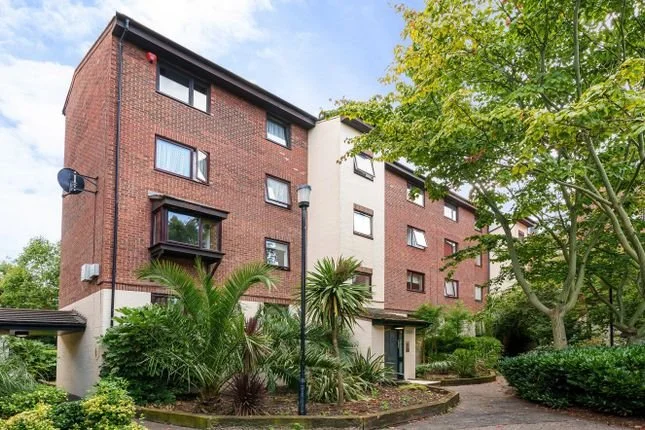
Peckham, London SE15

Hackney, London E9
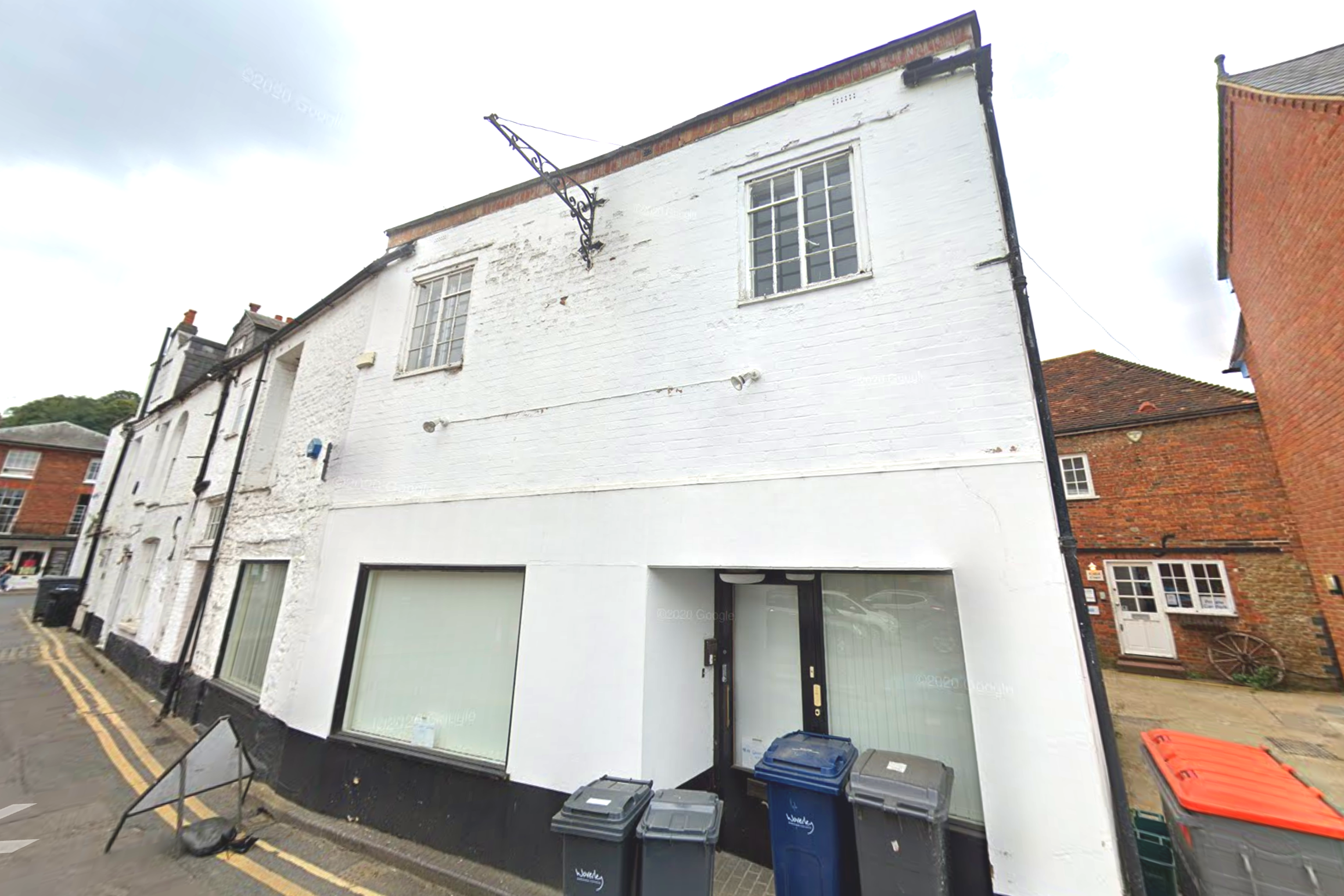
Godalming, Surrey GU7
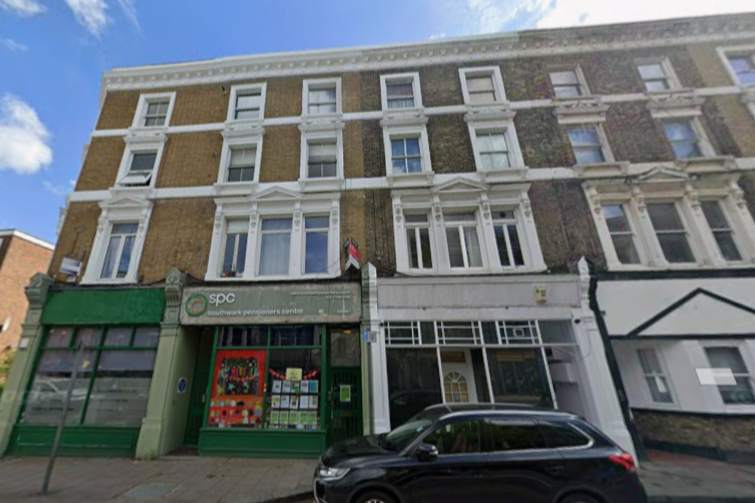
Camberwell Road, London SE5
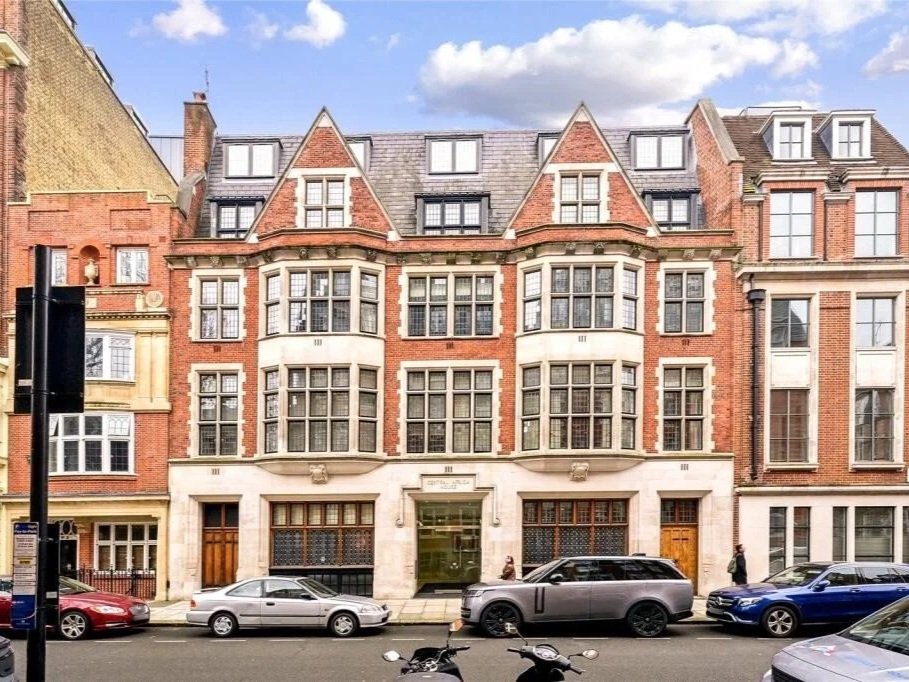
Great Peter Street, Westminster SW1P
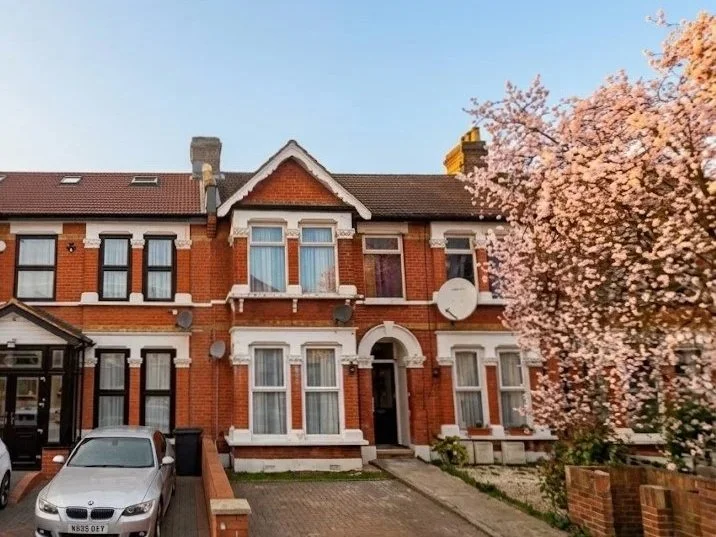
Aberdour Road, Essex IG3
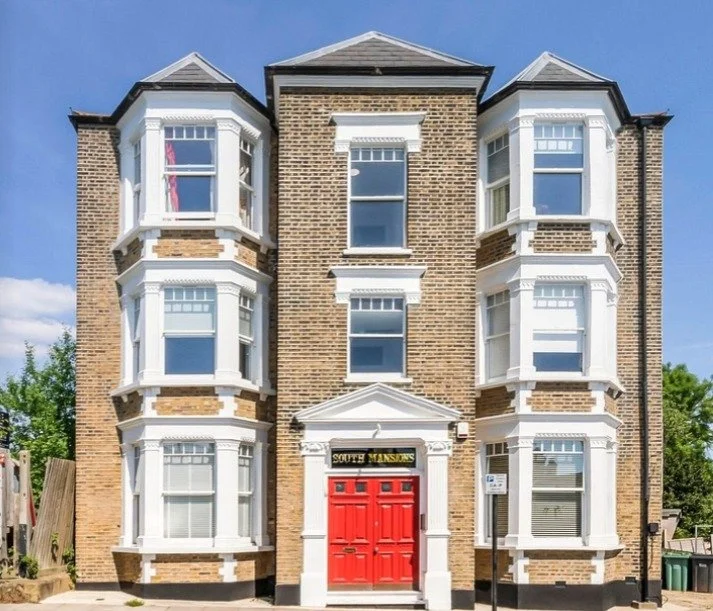
West Hampstead, London NW6
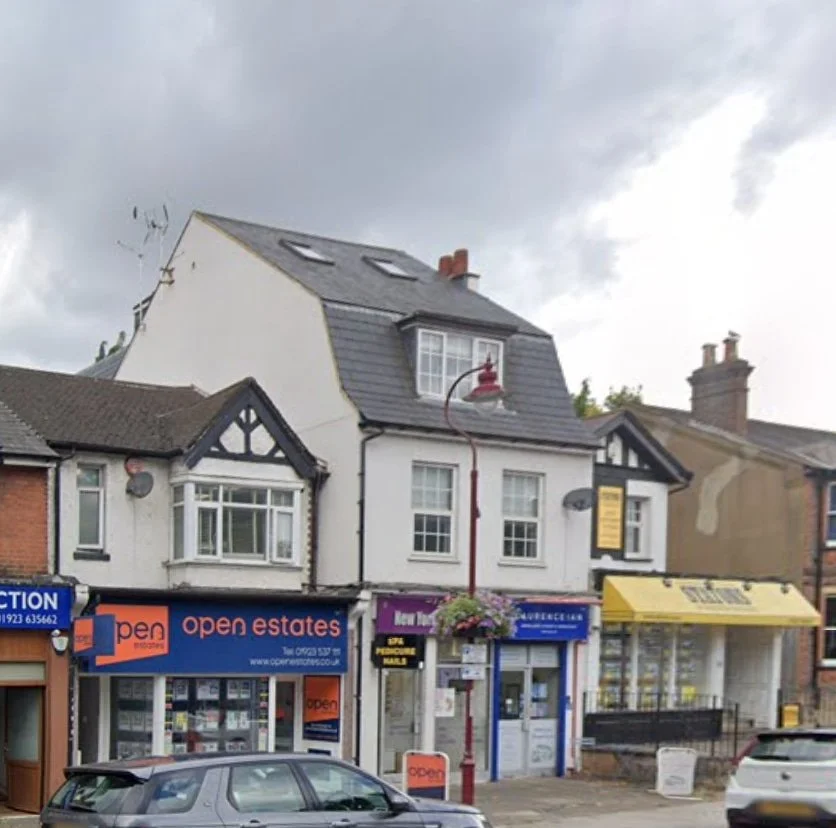
Radlett, Hertfordshire WD7
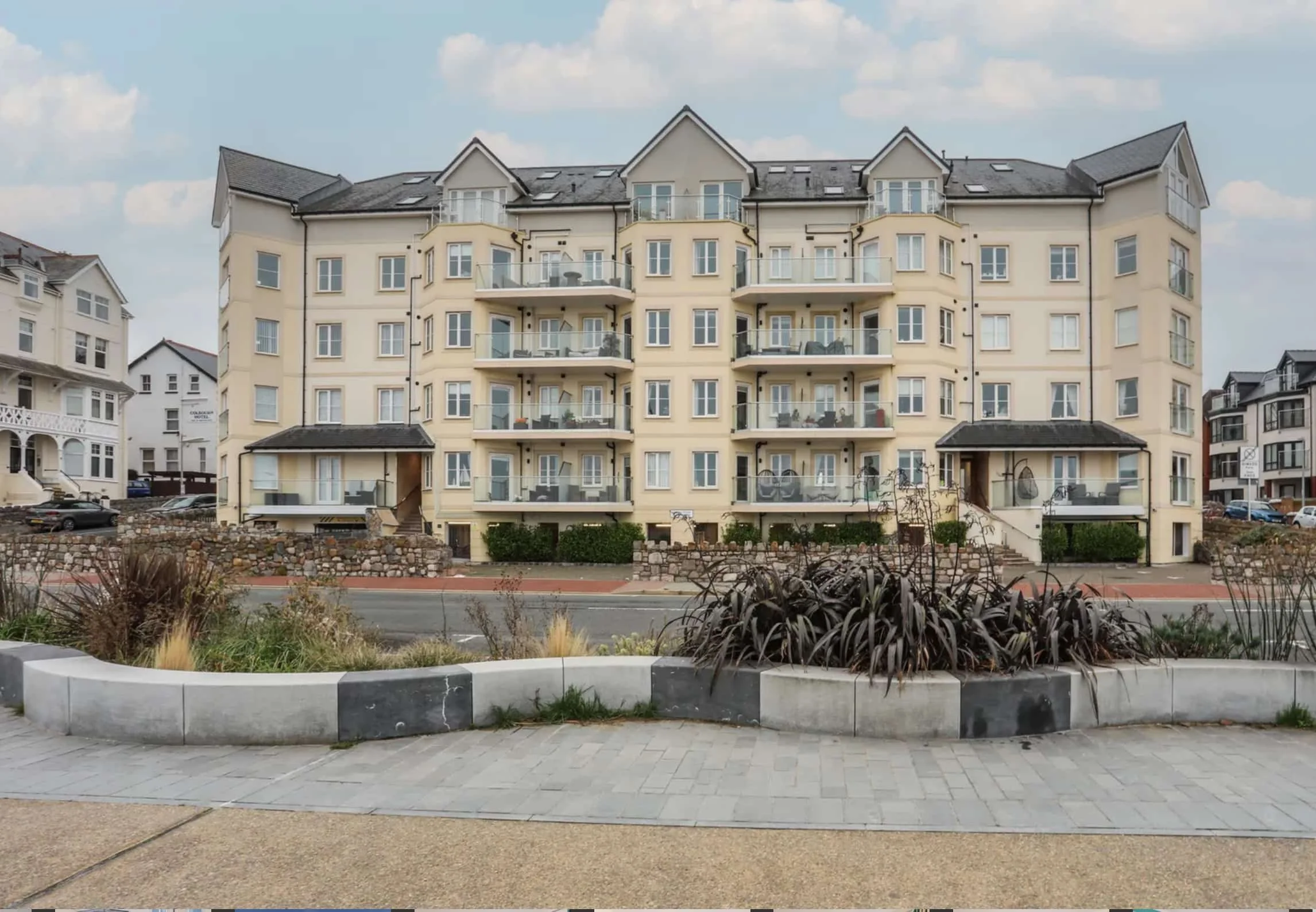
Rhos on Sea, Wales LL28
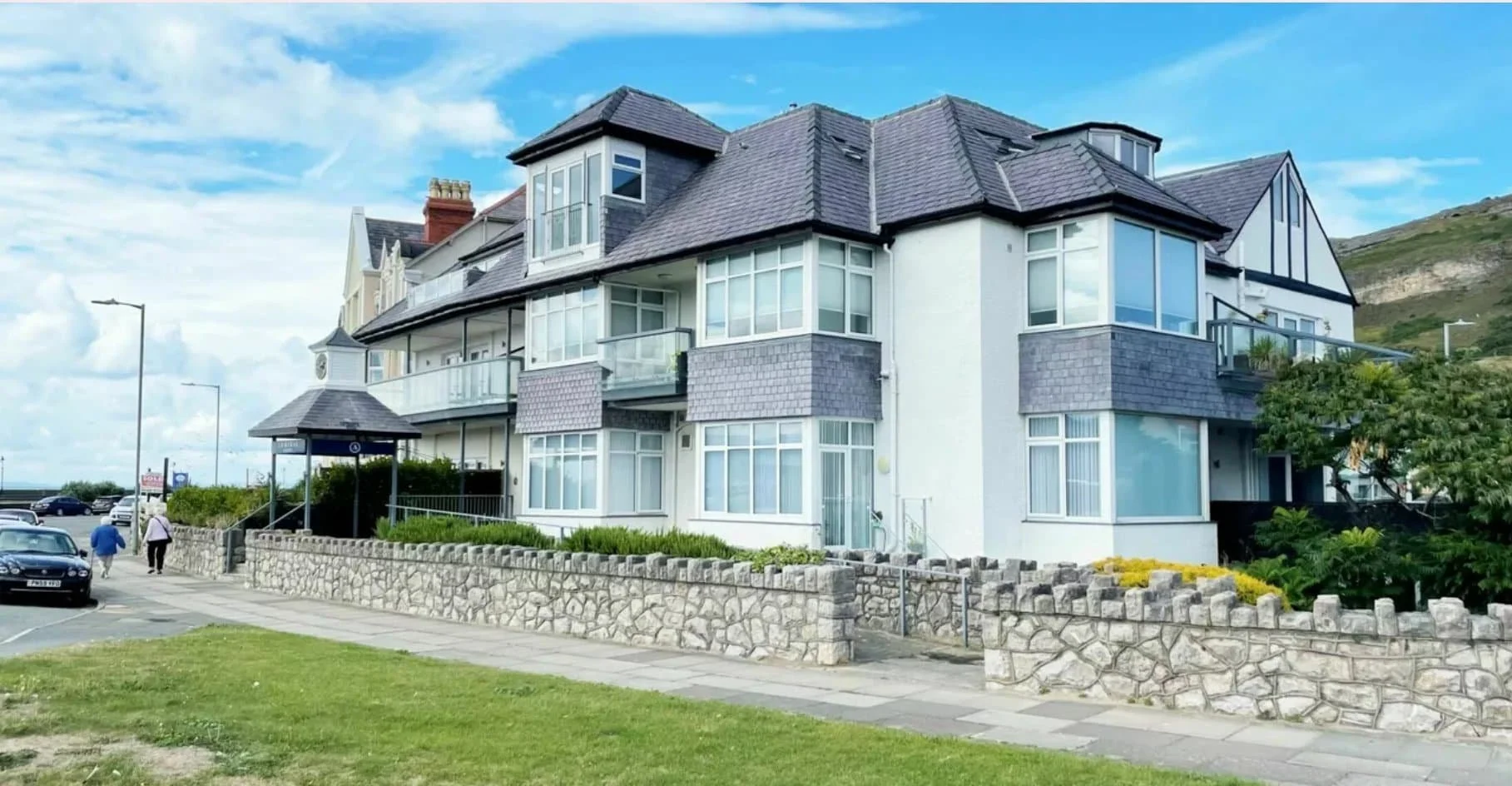
Llandudno, Wales LL30

Llandudno, Wales LL30
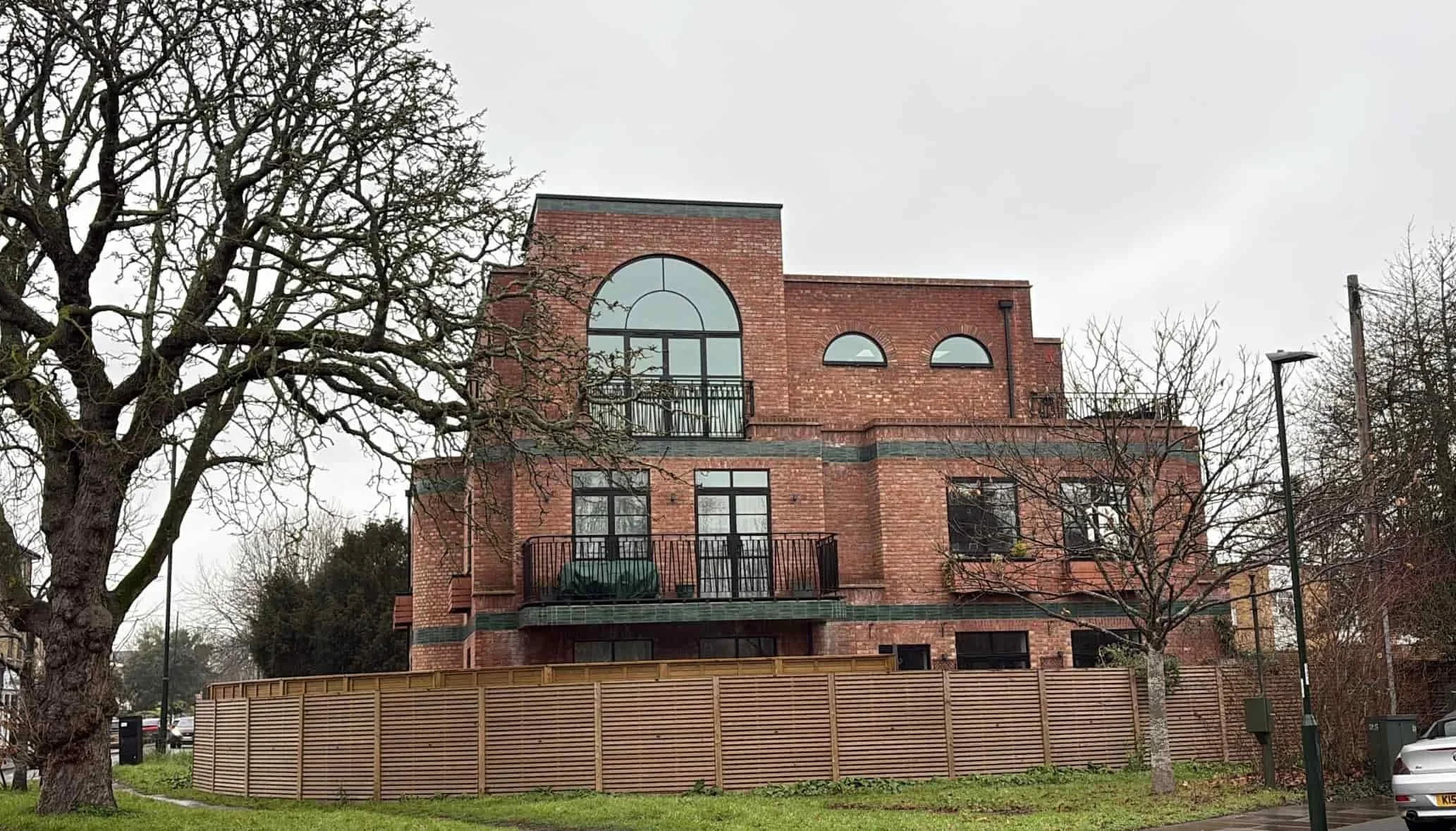
Hampton Hill, London TW12
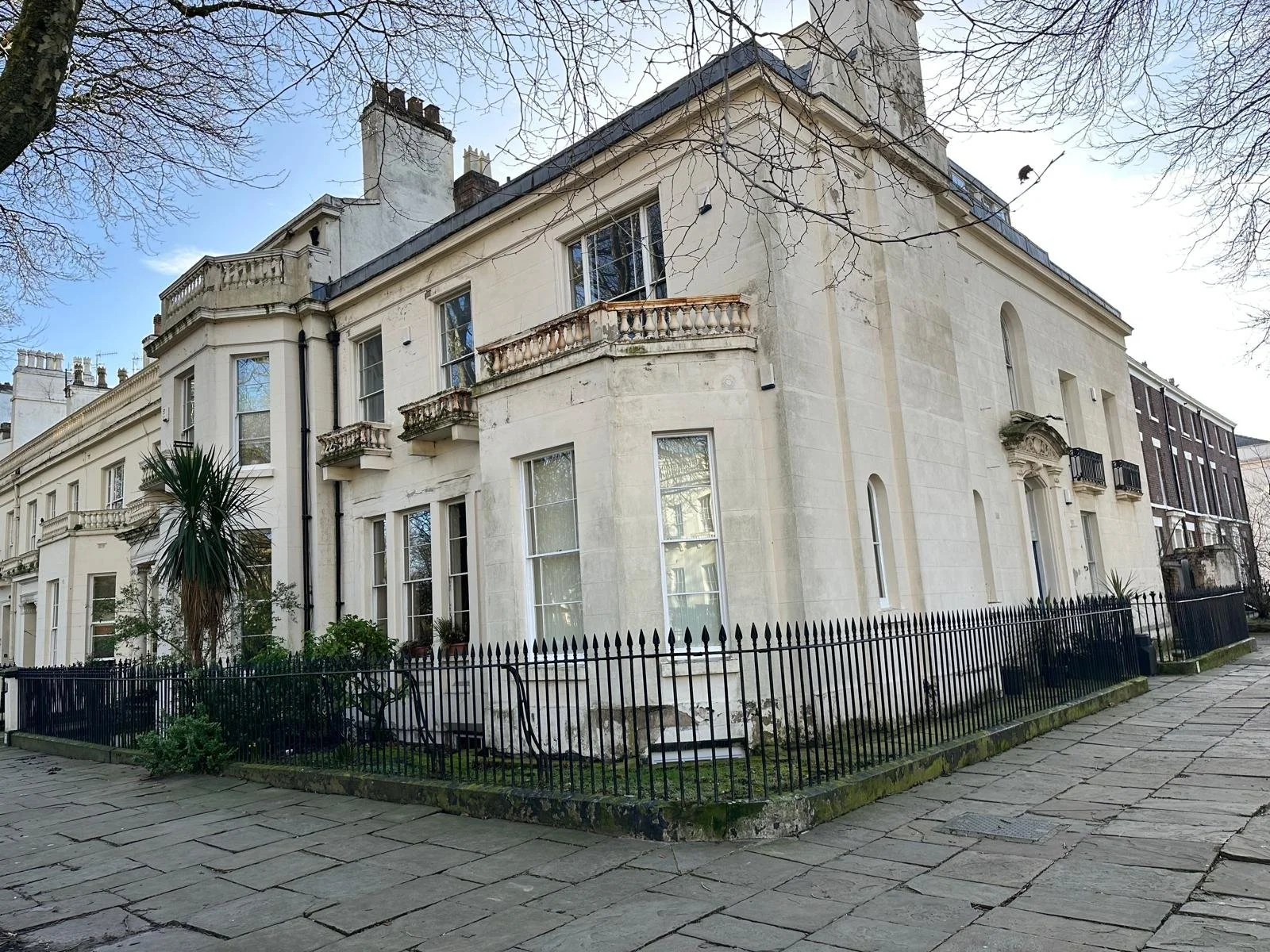
Toxteth, Liverpool L8
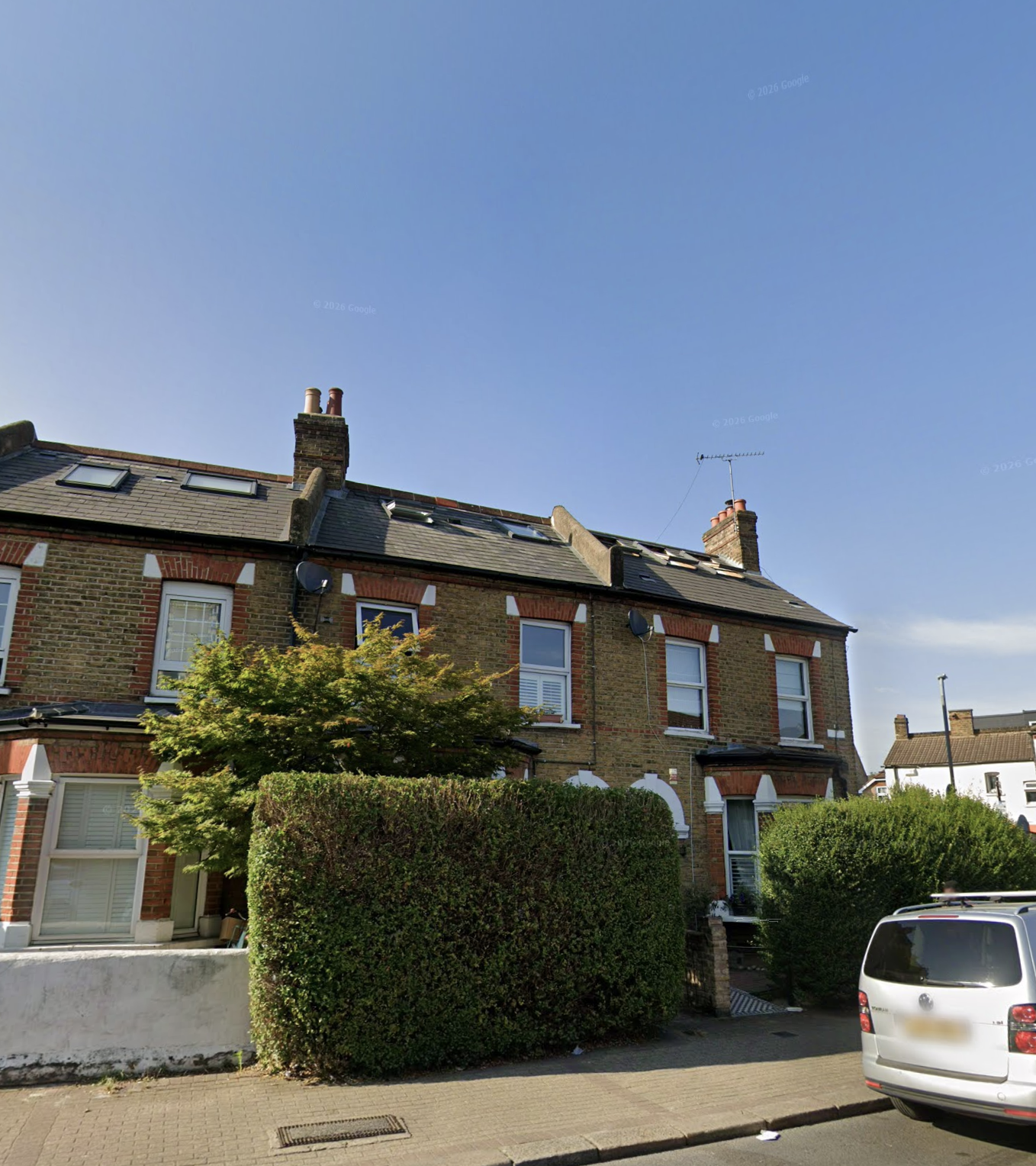
Tooting, London SW17
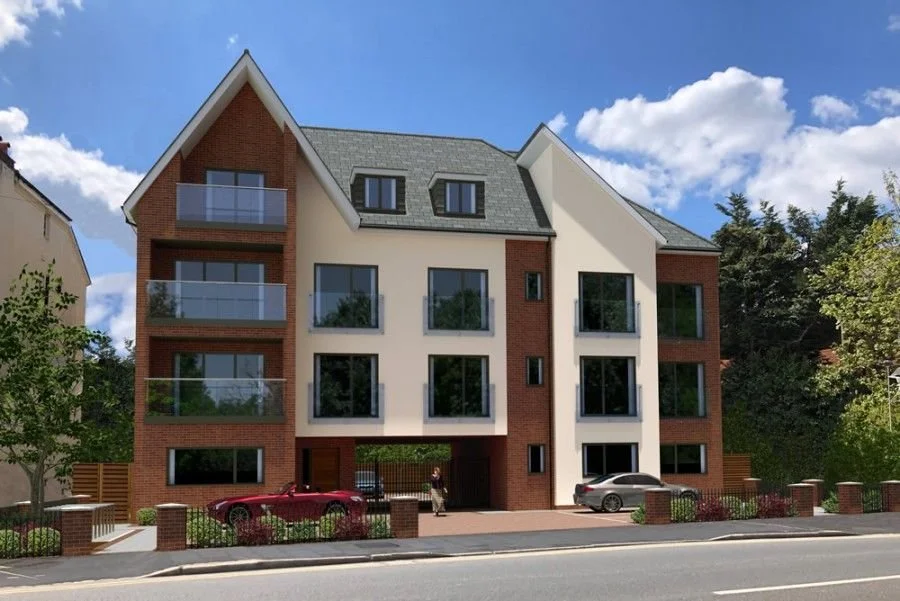
Plaistow Lane, London BR1
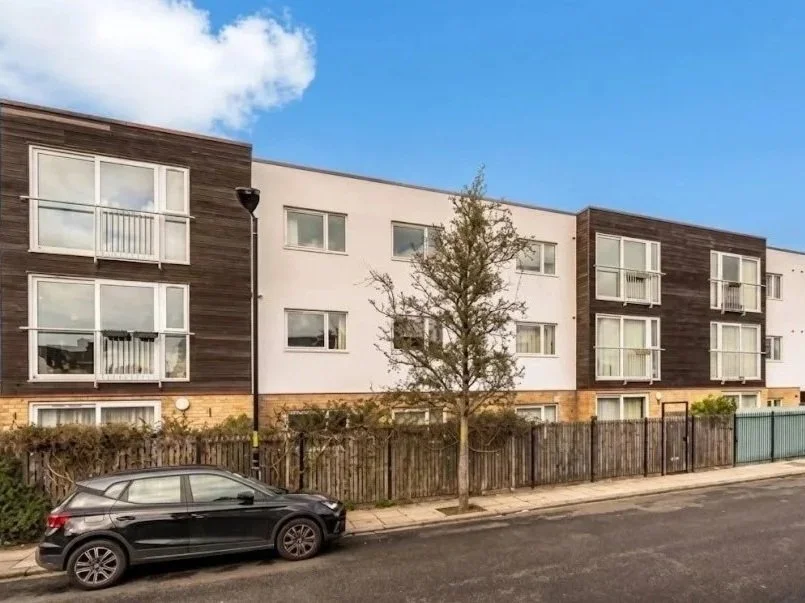
Borland Road, Southwark SE15
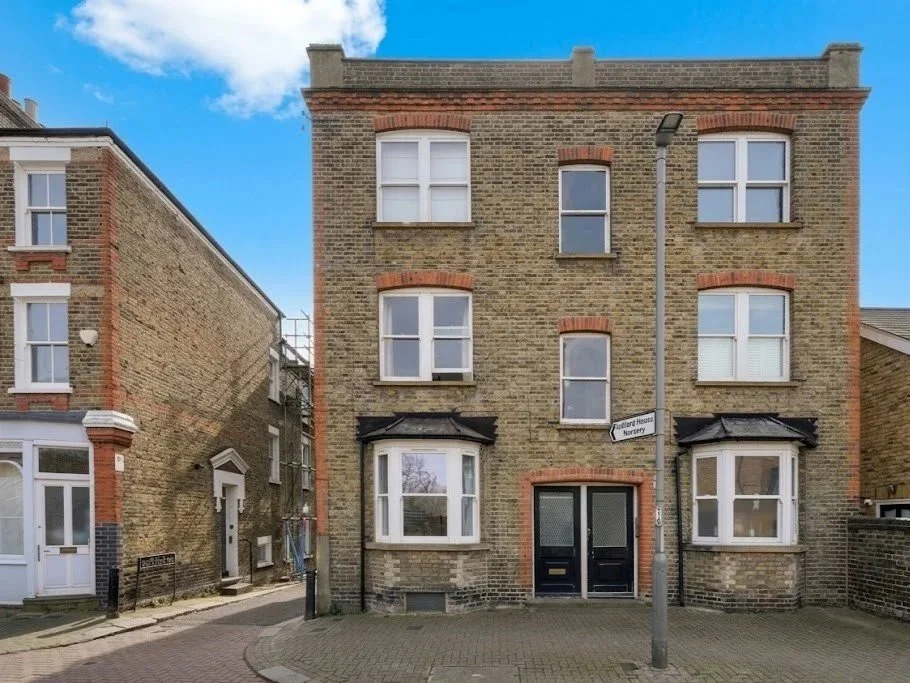
Lacy Road, Wandsworth SW15
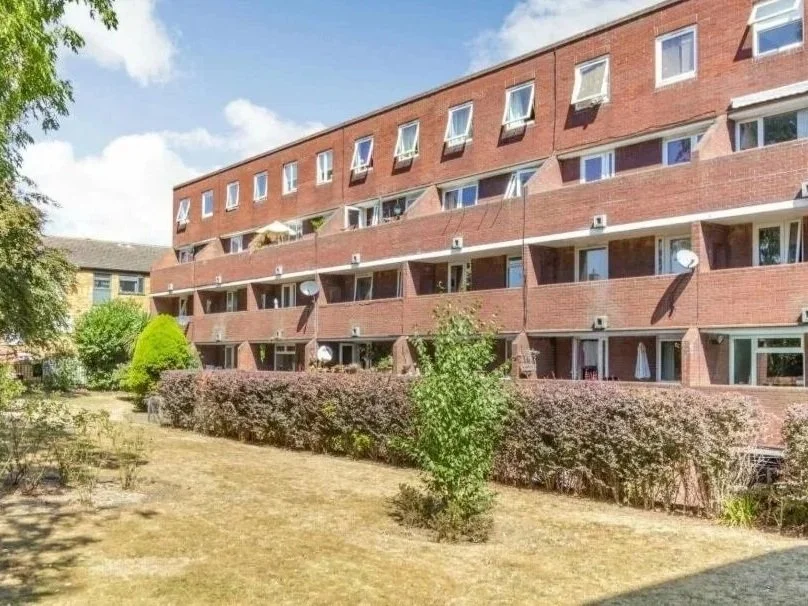
Woodford Green, Essex IG8
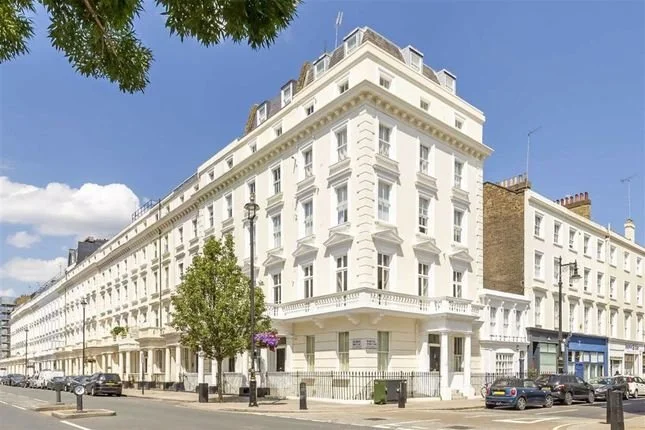
Pimlico, London SW1V
Buildings are shown by area and postcode district rather than by name, because our clients would rather their addresses were not published.
Frequently asked questions about block management
What does a managing agent actually do?
Sets and collects the service charge, keeps the building compliant and insured, arranges maintenance and major works, enforces the lease, and accounts for the money. The lease sets the obligations and the agent carries them out on behalf of whoever holds them.
How much does block management cost?
Our fees are published in full on the fee schedule. Management fees are usually charged per unit per year, with defined charges for items such as LPE1 packs, licences to alter and section 20 consultation.
Who owns the service charge money?
The leaseholders. It is held on statutory trust under section 42 of the Landlord and Tenant Act 1987 and kept in ring-fenced client accounts. It is not the agent money and not the freeholder money.
What is the 250 pound threshold?
If qualifying works will cost any single leaseholder more than 250 pounds, the section 20 consultation procedure applies. Without it, recovery is capped at 250 pounds per leaseholder however much the works actually cost.
Do you manage mixed-use buildings?
Yes. Several of the buildings above have ground-floor commercial units, which affects apportionment, insurance and consultation.
Can you take over mid-year?
Yes. Most handovers happen mid-year and take four to six weeks from notice. See how to change your managing agent.
Talk to us about your building
Temphis is regulated by RICS, a member of The Property Institute and registered with The Property Ombudsman, and is supervised by HMRC for anti-money-laundering purposes. We have been managing residential property since 2013.
Read the Temphis approach to block management, or the site audit mistake that costs owners most.